
Practical pet insurance decisions

Pet insurance for your dog in Texas

Use Texas consumer guidance and your dog’s records to test the policy being offered.

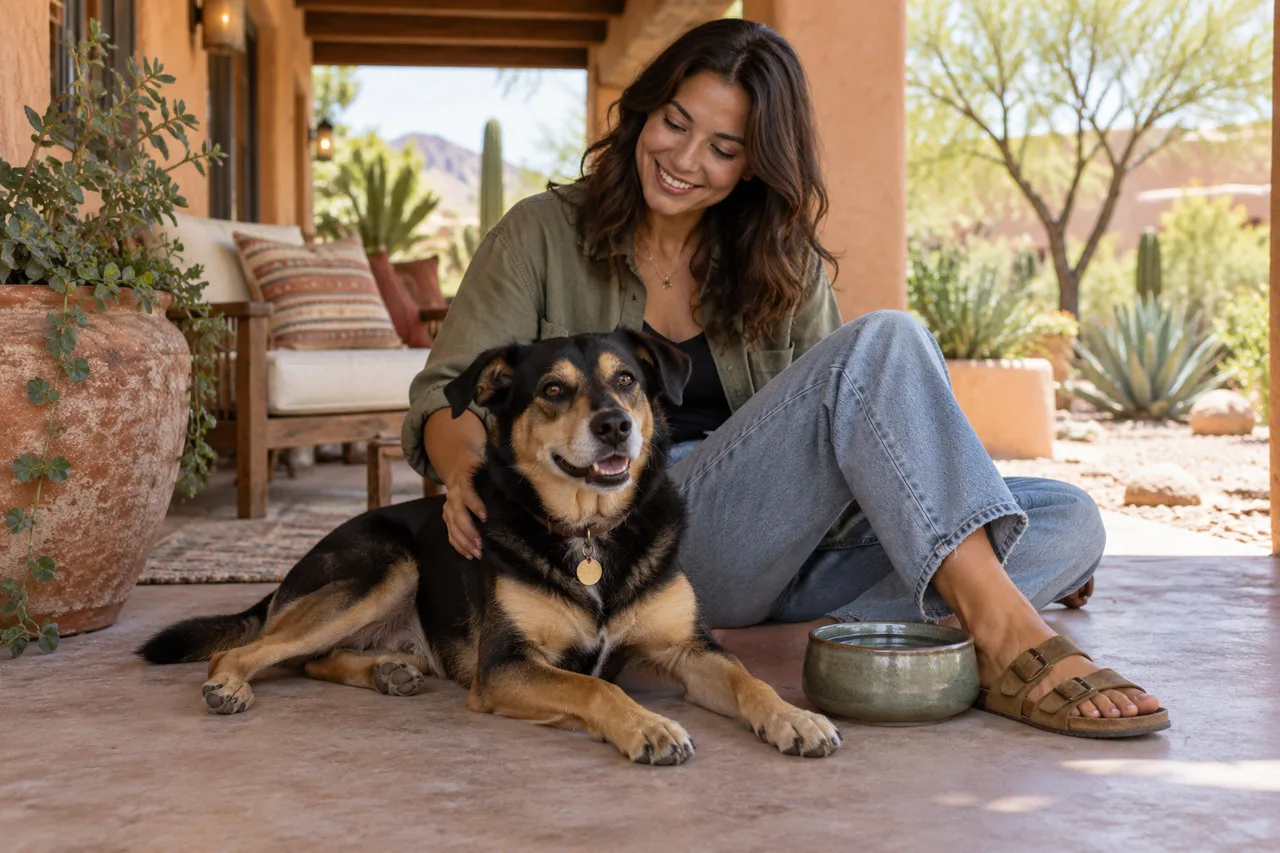
Owner sitting outdoors beside a black-and-tan dog
✓ Policy-first ✓ Independent ✓ Useful checks
Direct answer
Texas dog owners can compare pet insurance for eligible future accidents and illnesses, but availability is only the first check. Verify breed-related provisions, medical-history rules, the Texas policy documents and how your clinic is paid before relying on the coverage.
Quotes

Tie the quote to a Texas contract and the correct dog

Use your actual Texas home address and the dog’s accurate details. Keep the legal insurer’s name, sample policy and selected endorsements beside the quote. A page saying “available in Texas” is useful evidence of a product’s presence, but it does not settle age eligibility, selected options or a particular condition.

That is the limited availability claim here; no statewide premium, guaranteed acceptance or coverage for a known problem is inferred. If a sales summary and policy wording seem inconsistent, ask the insurer to reconcile them for the Texas offer before you buy.

Pet profile

Use a dog-specific review, not a generic breed promise

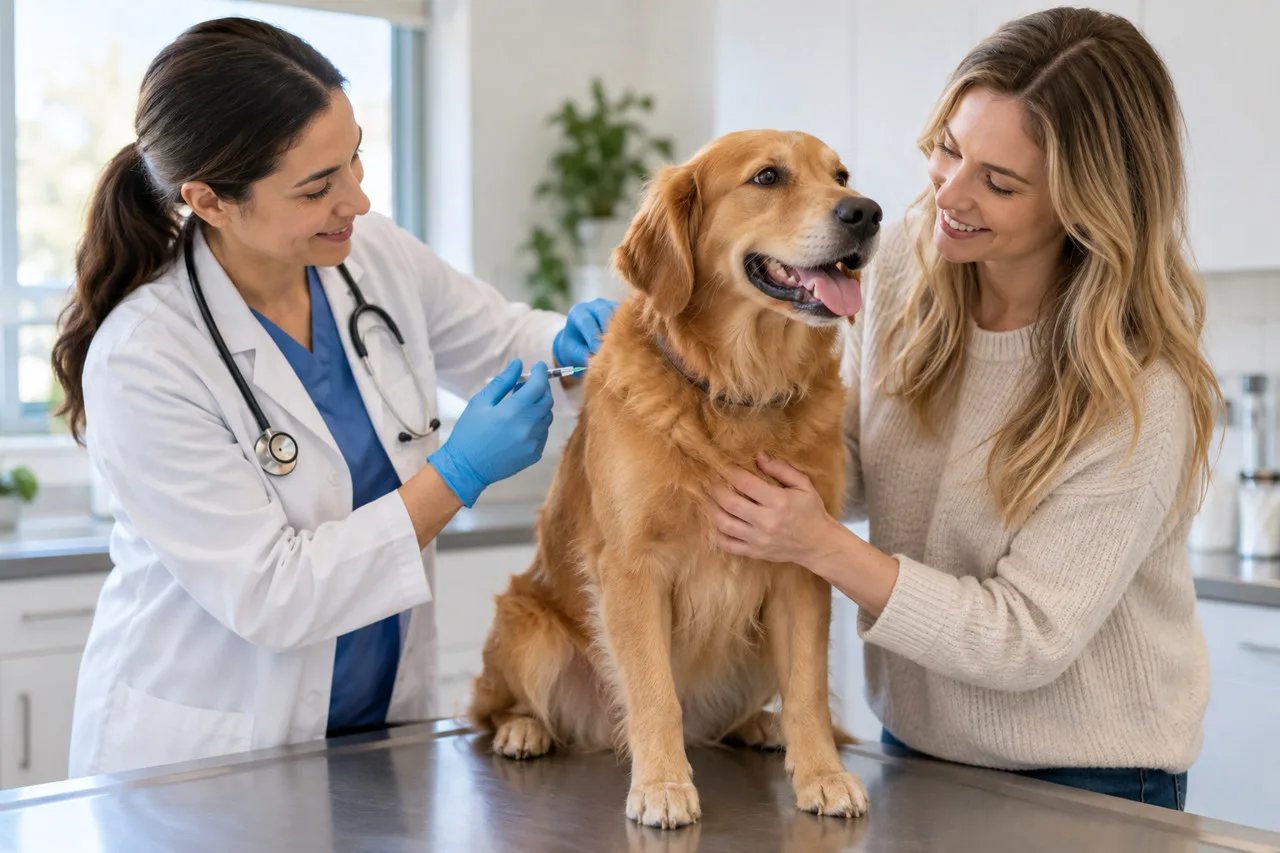
Veterinarian examining a dog beside its owner
Use the dog’s actual records when asking about inherited and orthopedic conditions.
Dog detail Question to put to the insurer Record to use
Breed description Are hereditary or breed-associated conditions included, restricted or excluded? The accurate application description and relevant benefit clause.
Prior limping or joint findings How do orthopedic, bilateral and pre-existing provisions apply? Earlier clinical notes, even without a final diagnosis.
Medication or repeated symptoms Is this continuing concern treated as prior history? Prescription and visit history.
Desired routine care Is there a separate preventive benefit, and what does it allow? The selected option’s schedule.

TDI’s pet-insurance guidance specifically warns that breed-related coverage or pricing can differ between companies. That is a reason to compare the wording, not a claim that every dog of a breed is excluded. Do not infer a condition from breed alone or assume a hereditary benefit overrides medical-history restrictions.

For a mixed-breed dog, provide the description supported by the records and ask how uncertainty should be entered. The goal is an accurate offer, not an application optimized to produce the smallest number.

What to know

Check the practical route from clinic to payment

Ask your regular practice how it supplies itemized invoices and clinical notes, and what payment it requires at the visit. If a specialist or emergency hospital may be involved, ask it separately. Permission to use a licensed veterinarian and an arrangement for direct payment are different issues.

TDI explains that most pet plans reimburse after the owner pays. Build your funding plan around the actual route in the offered contract. If an insurer advertises direct payment, confirm the participating clinic and any conditions rather than assuming the clinic will wait for a claim decision.

Request a hypothetical calculation using an itemized bill. Separate treatment, consultation, medication and rehabilitation so you can see whether each is included. Use the company’s own deductible and reimbursement order. This matters more than an attractive percentage applied to an unspecified bill.

What to know

Keep a Texas consumer file from the start

  • Save the quote, declarations, policy wording and endorsements together.
  • Keep the insurer’s legal name and claim contact route rather than only the retail brand.
  • Record the effective date, relevant waiting provisions and submission deadlines from your own documents.
  • Retain itemized invoices, veterinary records and the insurer’s payment explanation for a disputed claim.

For a problem, first ask the company to explain the decision and the clause it used. TDI provides an official complaint route for insurance issues. Its instructions describe documents to supply and note public-records implications for some information, so read that notice before submitting personal material. A complaint is a request for regulatory help, not a guarantee of payment.

What to know

What should be settled before you enroll?

You should be able to state which future risks the plan addresses for this dog, what known issues may be excluded, what money you need at the clinic and what you expect to pay through the term. If a must-have benefit is still unclear, resolve that clause rather than relying on a broadly favorable review.

Avoid importing another state’s waiting rules or a national model act into a Texas decision. This guide does not claim a Texas-specific statutory waiting period. It directs you to the applicable contract and regulator. For a dog that is sick or injured now, veterinary assessment should proceed without waiting for an insurance strategy.

Evidence

Sources and policy context

These public references support the consumer or veterinary context. Named insurer details were checked in official product materials; the policy offered for your pet and state determines the actual terms.

Next step

Compare Current Pet Insurance Rates

Check current options for your pet and location, then compare the policy details, exclusions, costs, and eligibility before choosing.

Compare the policy before you choose Check the actual offer, exclusions and out-of-pocket terms.
See Rate Options